How good a veneer looks is decided by the shade of the tooth underneath, not the shade of the ceramic
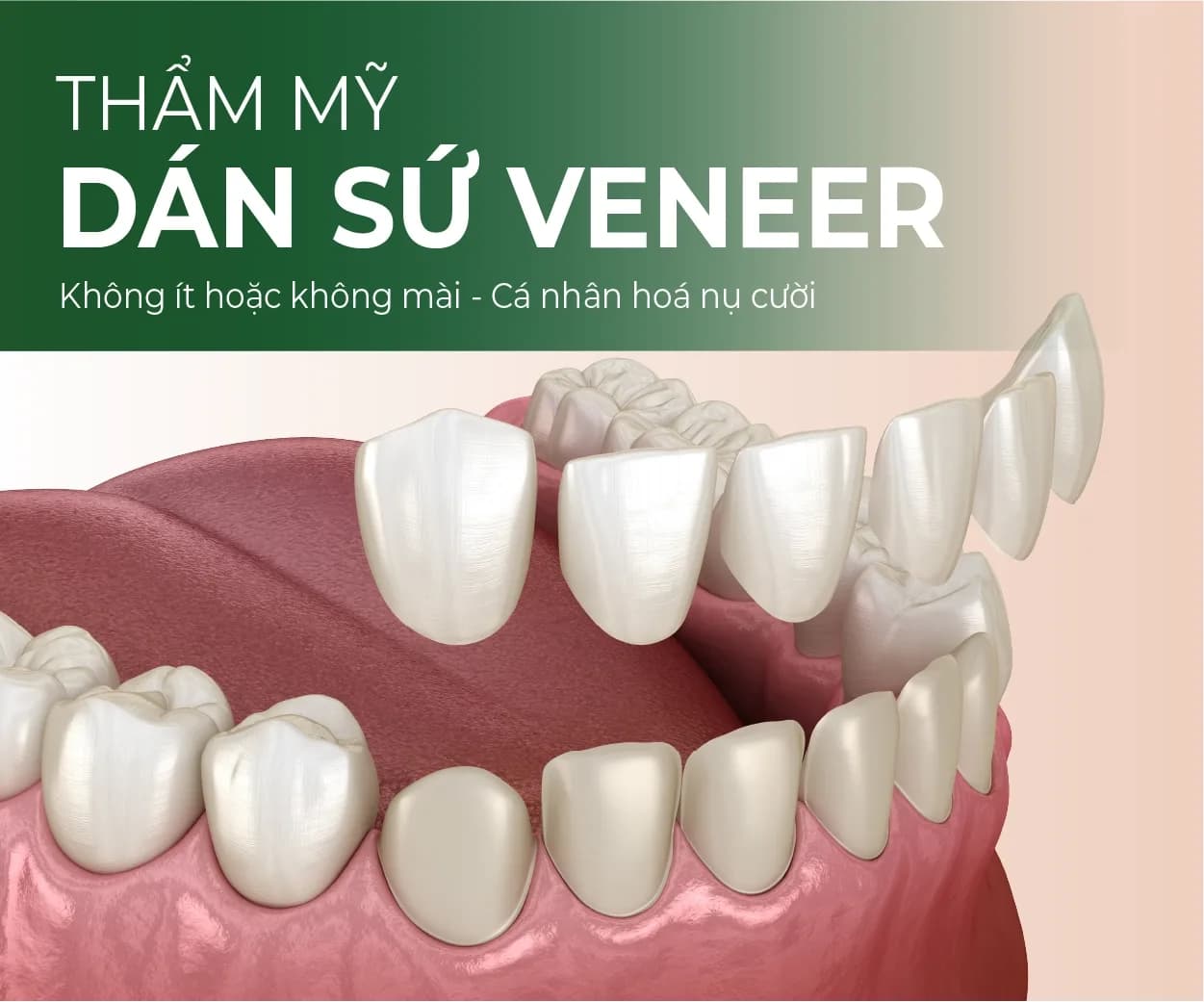
A veneer 0.3 to 0.5mm thick is semi-translucent. Light passes through it and reflects back off the tooth surface beneath. What that means is that the colour you finally see is a blend of the ceramic and the underlying tooth — not the colour you picked off a shade guide.
On an evenly light-coloured tooth, thin ceramic gives the translucent, lifelike effect of real enamel. On a tooth greyed by tetracycline, or a root-treated tooth that has darkened, that exact same shell will read grey. Masking a dark base requires thicker, more opaque ceramic — and thicker ceramic means more reduction, which defeats the reason for choosing a veneer in the first place.
So at the assessment appointment, recording the shade of the underlying tooth on a dedicated stump-shade guide matters as much as recording the shade you want. Where the base is simply too dark, the honest advice is a full crown, rather than bonding a veneer anyway and blaming the lab when the result looks dull.