Skip navigation, go to main content
Cosmetic dentistry

Tooth gems

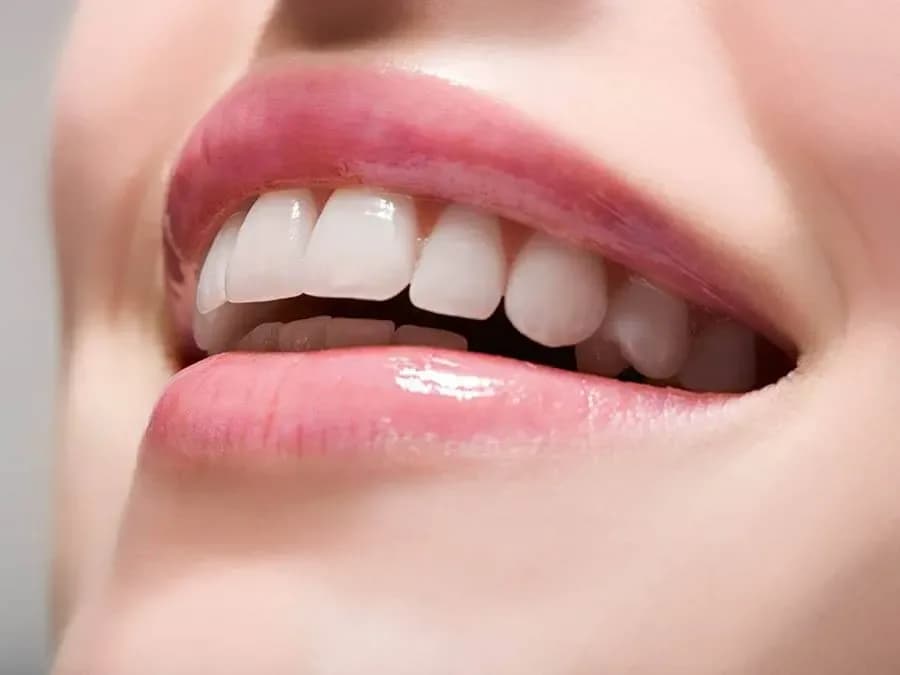
A tooth gem is the gentlest cosmetic procedure in dentistry: the stone is bonded to the enamel surface with a light-cured dental adhesive. The modern technique does not drill a hole in the tooth the way the old one did, so the enamel is left intact.

Indicative cost

800,000 12,000,000 per gem

Duration
20 – 30 minutes
Appointments
1 appointment
Anaesthetic
Not required
Warranty
12 months
Tooth gems at Dental Việt Nam

Tooth gems at Dental Việt Nam costs from 800,000₫ to 12,000,000₫ per gem, takes 20 – 30 minutes, and is warranted for 12 months. Prices include VAT and are the same at every clinic; the initial examination and panoramic X-ray are free. It suits patients with wanting an accent in your smile without altering tooth structure and sound teeth with intact enamel, no decay or fractures.

Who this is right for

  1. Wanting an accent in your smile without altering tooth structure
  2. Sound teeth with intact enamel, no decay or fractures
  3. Wanting to try a look that can easily be undone

Who should not have this

  • Decay, enamel erosion or a crack at the intended site
  • Fixed braces bonded on the corresponding tooth
  • Gingivitis or heavy calculus not yet cleaned

If you fall into this group, the dentist will propose a more suitable option rather than proceeding anyway. It is exactly why the first appointment always includes an X-ray.

The clinical detail

What to understand before deciding on Tooth gems

Three points a dentist usually ends up explaining in the chair — read them first and your consultation can get straight to the point.

Bonded versus drilled — the difference is whether it is permanent

The old technique cut a small hole in the tooth surface and set the stone into it. That hole goes through the enamel and often reaches dentine. Enamel does not regenerate, so the damage lasts for the life of the tooth, along with a risk of sensitivity and decay at that exact spot.

The bonded technique used now removes no tooth structure. The enamel surface is conditioned with etching gel to create micro-porosity in the outermost layer — the same step used when bonding an orthodontic bracket — and the stone is fixed with light-cured adhesive. To remove it, the dentist releases the stone and polishes the surface, and the enamel is as it was.

If you are ever advised that drilling a hole will hold the stone better, go elsewhere. Bonded retention is entirely adequate for normal eating, and the price of that slightly better hold is a permanent hole in one of your front teeth.
The stone does not harm the tooth, but the area around it needs attention

The stone and the adhesive do not cause decay by themselves. The issue is that they create a small raised edge on an otherwise flat surface, and every raised edge in the mouth is somewhere plaque likes to settle.

Brush carefully around the stone and nothing happens for years. Brush casually and plaque collects at the adhesive margin, which can lead to demineralisation — a chalky white outline around the gem, only visible once it is removed.

The situation that deserves more attention is a stone coming off without you noticing. Leftover adhesive has a rough surface and holds plaque even more readily than the stone did. So if a gem falls off, come in to have the adhesive polished away, even if you do not intend to replace it.

What is different here

How we do Tooth gems

No drilling, nothing removed

Only the enamel surface is conditioned with etching gel. No hole is cut into the tooth as in the older technique.

Completely reversible

When you want it off, the dentist releases the stone and polishes the enamel — the tooth returns to how it was.

Certified stones

Natural diamonds come with a certificate, and Swarovski crystals with proof of origin.

Done in one appointment

The whole procedure takes 20 to 30 minutes and you eat normally immediately afterwards.

The process

4 steps

You know in advance what happens and how long each stage takes.

Before you come in

Have a scale and polish beforehand or at the same appointment — the adhesive only bonds reliably to genuinely clean enamel, and even a thin film of plaque is enough to make the stone come off early. If you are planning to whiten your teeth, whiten first and then have the gem placed, because the gel cannot reach the enamel under the stone and would leave a darker patch when it is removed. Think about placement in advance: the lateral incisor and the canine are the two positions that show most when you smile.

  1. 01

    Cleaning and choosing the position

    10 minutes

    The tooth surface is cleaned and you choose the stone and a position that balances with your smile.

  2. 02

    Conditioning the enamel

    5 minutes

    Etching gel creates microscopic retention, then the surface is rinsed and dried completely.

  3. 03

    Bonding and curing

    10 minutes

    The stone is set into dental adhesive and fixed with a curing light.

  4. 04

    Check and instructions

    5 minutes

    Adhesion is checked, the adhesive margin smoothed, and cleaning advice given so the gem lasts.

Aftercare

What to do at each stage

Most complications do not come from the treatment itself but from the days that follow. This is the guidance you are given when you leave.

First 24 hours

Do

  • Eat normally straight away
  • Brush gently around the stone

Avoid

  • Biting hard objects directly with the gemmed tooth

Long term

Do

  • Brush carefully around the margin every time
  • Have adhesion checked at each six-monthly scale and polish
  • Come in promptly if the stone falls off, so the adhesive can be cleaned away

Avoid

  • Scrubbing directly on the stone with a hard brush
  • Biting ice, bottle caps, or your nails
  • Trying to re-attach it yourself with ordinary glue
Cost

What it costs, and what decides that

Five things that decide the final figure

  1. The stone and its size

    This accounts for almost the whole range from 800,000₫ to 12 million₫. The bonding work is identical whichever stone is used.

  2. How many gems

    Placing several across one or more teeth requires balancing the composition of the smile, and is priced per stone.

  3. Cleaning beforehand

    A scale and polish is the condition for reliable bonding. If you have not had one recently, it is charged separately from the general dentistry price list.

Comparing the options

Swarovski crystal or natural diamond?

The same bonding technique and the same procedure — the difference is the material, and almost the entire price difference is in the stone rather than in the work.

Swarovski crystal or natural diamond?
CriterionSwarovski crystalNatural diamond
OriginAustrian crystal with proof of originNatural diamond with a certificate
Durability and brilliance over timeCan dull after a few yearsUnchanged over time
Colour optionsMany coloursMostly white
CostFrom 800,000₫From 12,000,000₫
SuitsTrying the look, easy to changeA long-term piece, treated as jewellery

The dentist's conclusion

If this is your first time, start with a Swarovski crystal — low cost, easy to remove, and you will find out whether you actually enjoy seeing it every day. A natural diamond makes sense once you are sure of the look and want something that keeps its appearance for years.

Risks

Possible complications and how they are prevented

No medical technique carries zero risk. What makes the difference is knowing in advance where the risk sits and controlling it with a specific protocol.

The gem comes off early

Cause
Enamel not completely clean at bonding, saliva contamination during bonding, or biting something hard with that tooth.
Prevention
Thorough cleaning and isolation before bonding; avoid tearing food directly with the gemmed tooth; have adhesion checked at your six-monthly scale and polish.

Plaque and demineralisation around the stone

Cause
The adhesive margin creates a ledge that a toothbrush tends to skate over.
Prevention
Brush carefully around the stone with a soft brush; scale and polish every six months and ask the dentist to check the margin.

A darker patch showing after removal

Cause
The enamel under the stone was not exposed to whitening gel or to staining food the way the rest of the tooth was.
Prevention
Whiten before placement, not after. If it has already happened, polishing and re-whitening after removal evens it out.

Adhesive left behind after a gem falls off

Cause
The stone coming off while eating without being noticed.
Prevention
Come in to have the remaining adhesive polished away as soon as possible, even if you do not want a new stone.
Frequently asked

Questions about Tooth gems

Not with the modern bonded technique, because nothing is drilled and the adhesive is a proven dental material. Only the old technique, which cut a hole to seat the stone, causes permanent enamel damage.

Book today,
and find out exactly where your teeth stand

A dentist examines you, takes a panoramic X-ray and explains what it shows using your own images. Free, even if you decide not to go ahead.

Open Monday – Sunday · 08:30 – 20:00 · Clinic in Hanoi

Zalo