Four causes, four approaches — get the diagnosis wrong and anything you do comes back
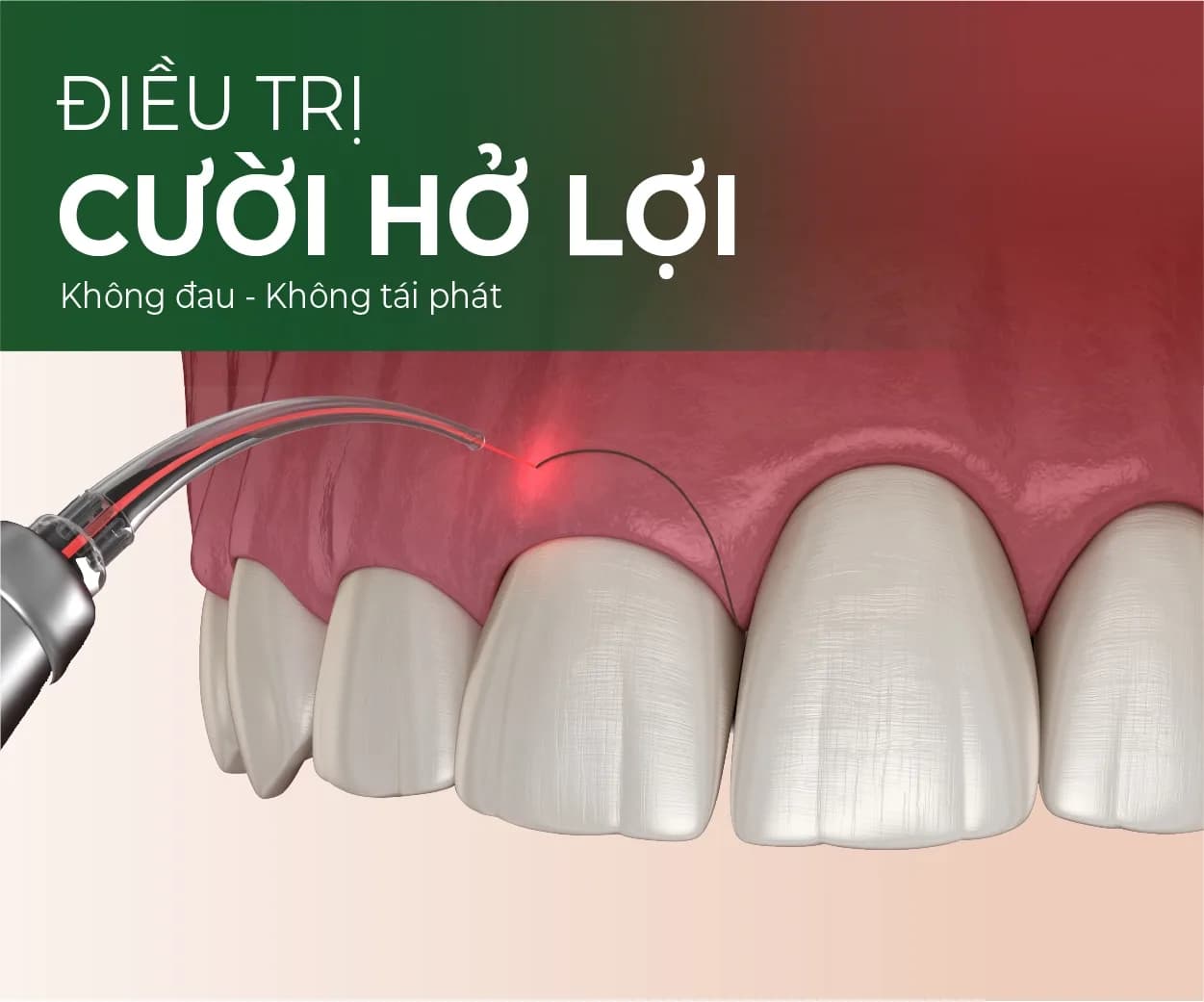
A gummy smile is not a disease but a presentation, and it has four different origins. Group one: gum tissue overgrown across the crown, or teeth that never fully erupted, leaving short clinical crowns. For this group gum contouring is the correct indication and gives a stable result.
Group two: vertical excess of the upper jaw, which pushes the whole block of teeth and gum downward. No amount of gum contouring addresses the root of this; the real answer is orthognathic surgery.
Group three: an overactive lip elevator muscle, pulling the lip abnormally high on smiling. Group four: a congenitally short upper lip. Both are soft-tissue causes, treated by reducing lip elevator activity with an injectable — temporary, and needing repeating — or by surgically repositioning the lip attachment.
Plenty of patients come to us after having gum surgery elsewhere and finding the gummy smile back within months. It is almost always the same story: the cause was in group two or group three, but only the gum was treated.